We are developing MoMerV to measure the atmosphere that shapes satellite orbits. NexAI brings mission operations experience, an eight person team and agreed access to Florida Tech facilities to the work.
AN INDEPENDENT AMERICAN COMPANYEARTH FROM THE ISS / NASA
EARTH OUR REASON TO EXPLORE
FEATURED DEVELOPMENT
SPACE INSTRUMENTATION
MEET
MoMerV
Measure the air. Understand the drag.
At orbital speed, even a thin atmosphere matters. MoMerV is designed to measure the momentum of incoming neutral gas, then combine that measurement with gas composition to estimate thermospheric density.
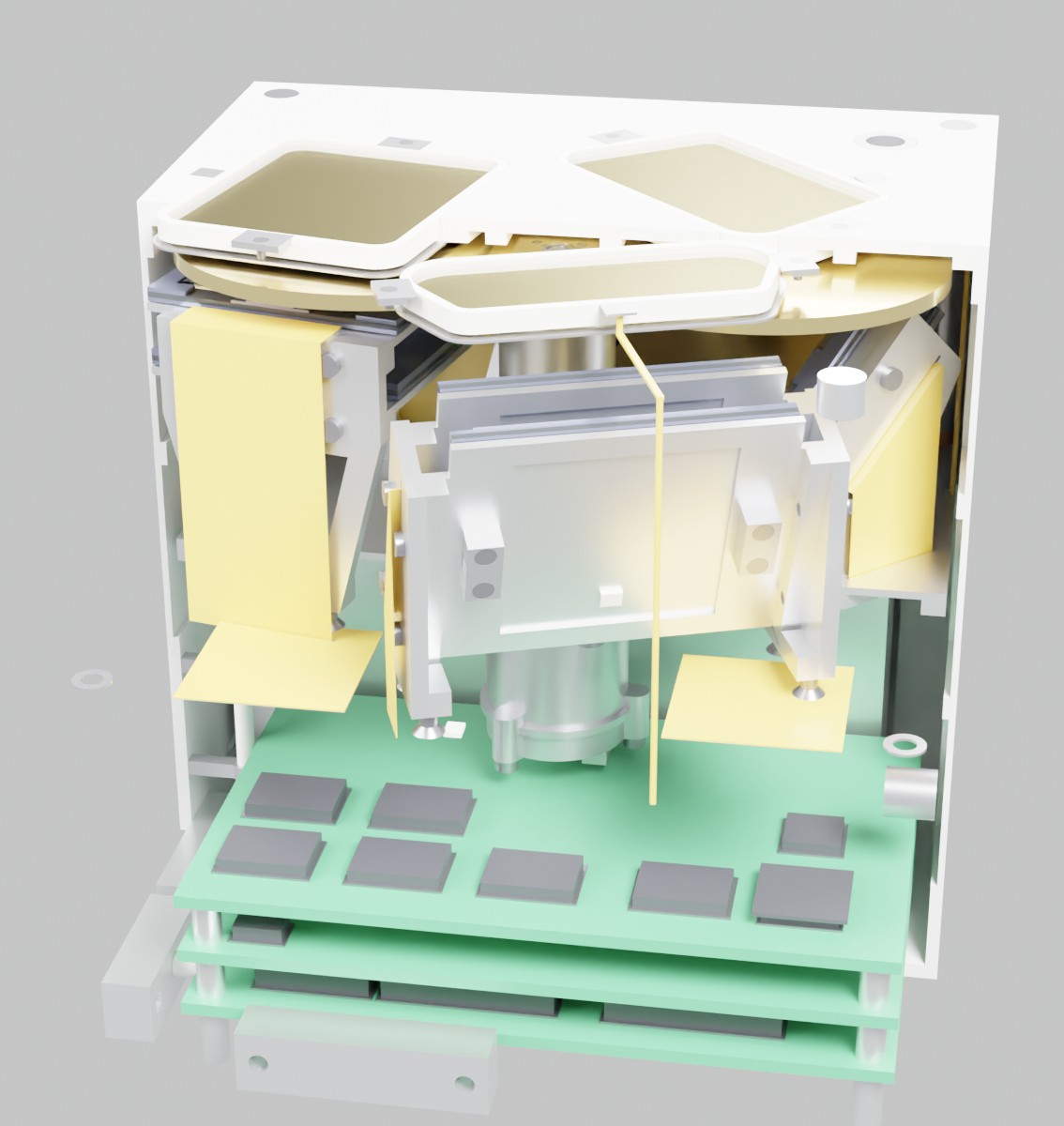
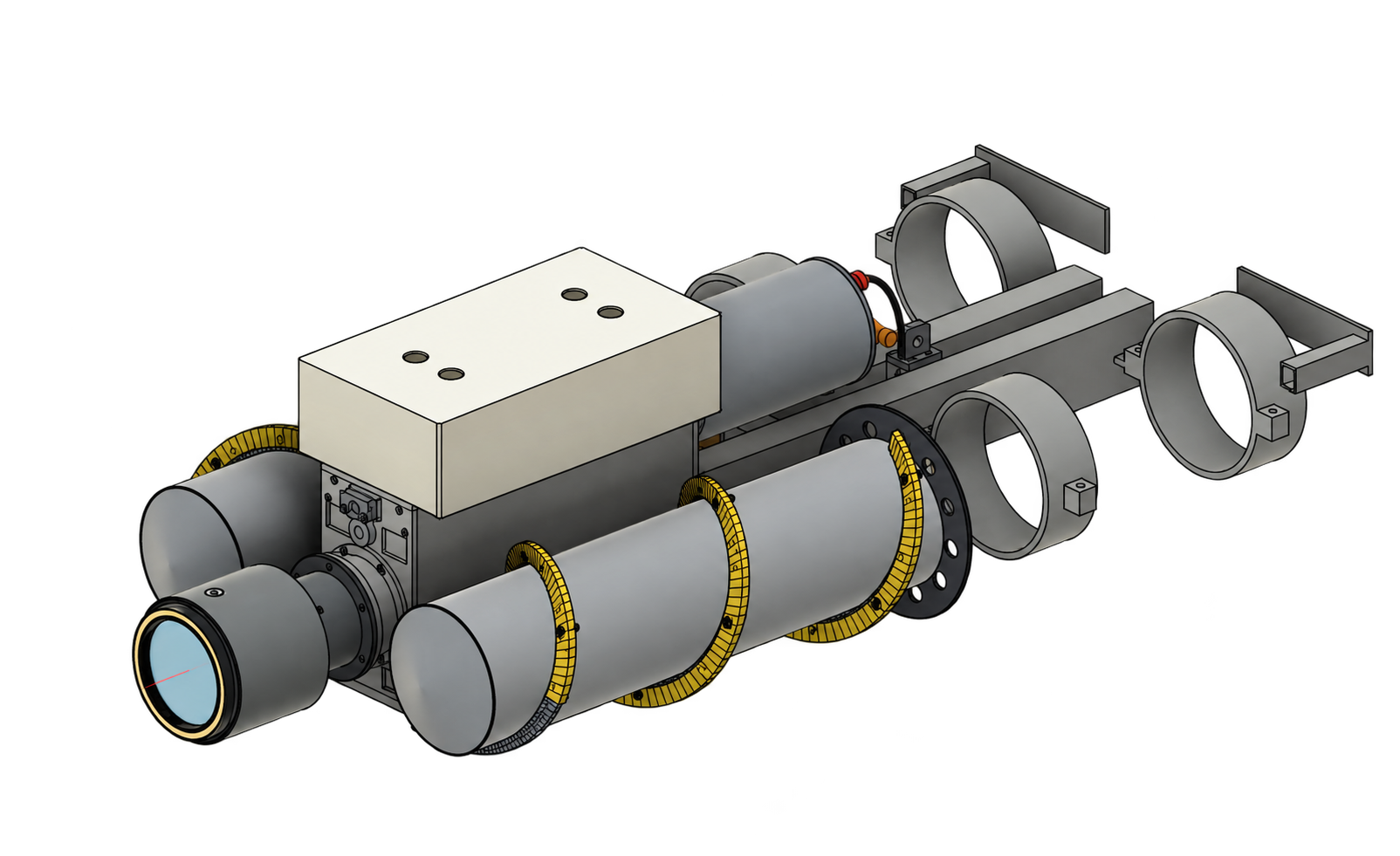
Three angled silicon force plates and their shielded reference twins form the sensing core. A rotating chopper separates the flow signal from slow drift. A miniature time of flight analyser supplies the composition measurement.
Cutaway from our submitted visual supplement. The front grids and rotor sit above three silicon sensing plates and their shielded twins. The motor, controller and power boards sit below.
DESIGN ENVELOPE
250 to 800 km altitude
DENSITY PRODUCT
30 second reporting target
MEASUREMENT CHAIN
Force + composition + calibration
MOMERV / DEVELOPMENT & MANUFACTURING
From a drawing to a repeatable build.
Making one instrument is the first step. Our production plan ties each part, assembly and measurement to a controlled record, so the next unit can be built and checked against the same requirements.
WHAT THE INSTRUMENT MEASURES
A small force. A measurable atmosphere.
The force channel measures momentum transfer. Composition and surface response enter the retrieval model; orbital velocity and pointing come from the host. The result is a density estimate with uncertainty and quality flags.
The baseline is the calibrated thermal neutral mixture. Hot neutral oxygen needs a separately validated response correction.
Ion rejection grids suppress the charged particle contribution before the neutral flow reaches the sensing surfaces.
THE BUILD PATH / FOUR ENGINEERING GATES
01
DESIGN RELEASE
Make the interfaces explicit.
Freeze the die geometry, electrode gap, plate angles and chopper clearances together. Review the harness route, fastener access and mounting loads before releasing the parts.
Hardware
Etched silicon plates bonded to glass electrodes; machined carriers and housing.
Review evidence
Revision controlled drawings, tolerance stack, bill of materials and host interface requirements.
EXIT / AN INSPECTABLE DESIGN02
FABRICATION & ASSEMBLY
Inspect before integration.
Screen sensing dies for capacitance, resonance and pull in behavior. Machine the housing and fixtures, inspect critical dimensions, then assemble the force channels, rotor and analyser.
Process controls
Material certificates, die lot records, assembly travelers and controlled fastener preload.
Functional checks
Motor timing, readout noise, grounding and electrical continuity before chamber testing.
EXIT / A TRACEABLE ENGINEERING MODEL03
CALIBRATION & VALIDATION
Keep a test the model has not seen.
Apply known electrostatic forces, then compare thermal beam measurements with an independent reference. Freeze the fitted coefficients before testing withheld conditions.
Planned campaign
32 thermal beam conditions, including eight excluded from the calibration fit.
Acceptance targets
20% RMS accuracy and 10% repeatability bounds, including reference uncertainty. Hyperthermal oxygen testing follows separately.
EXIT / CALIBRATION WITH AN UNCERTAINTY BUDGET04
QUALIFICATION & REPEAT BUILD
Prove what survives the build.
Compare functional and calibration results before and after vibration and thermal vacuum exposure. Tailor the test levels to the host and close discrepancies before flight acceptance.
Production evidence
Serial number history, configuration, acceptance data and approved deviations for every unit.
Scale decisions
Pilot lot yield, calibration throughput and measured assembly time determine tooling and supplier capacity.
EXIT / AN ACCEPTED CONFIGURATION
ENGINEERING REFERENCES
Requirements first. Evidence at every review.
Our development plan links each requirement to an analysis, inspection or test. These references guide the planned work; qualification levels and acceptance criteria will be agreed with the flight provider.
Design and development references. They do not represent completed qualification or NASA certification.
FLORIDA INSTITUTE OF TECHNOLOGY
Working with Florida Tech
Access to facilities. Projects for students. A direct connection between design and testing.
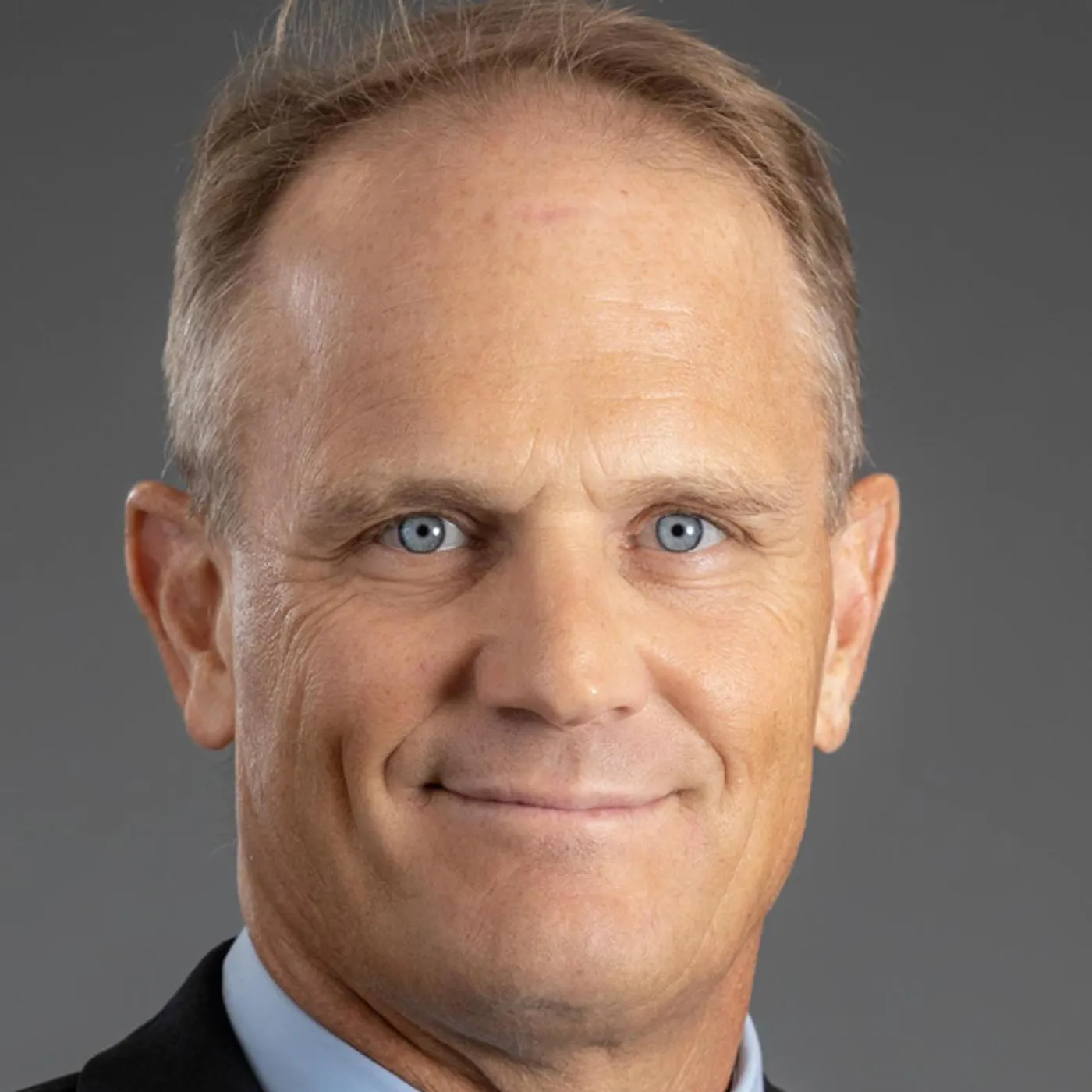
Ivan is coordinating prototype manufacturing and testing with Dr. Eric D. Swenson at Florida Institute of Technology. Their agreement includes use of the university’s facilities at no charge, along with student projects and internships for Phase 2 and beyond.
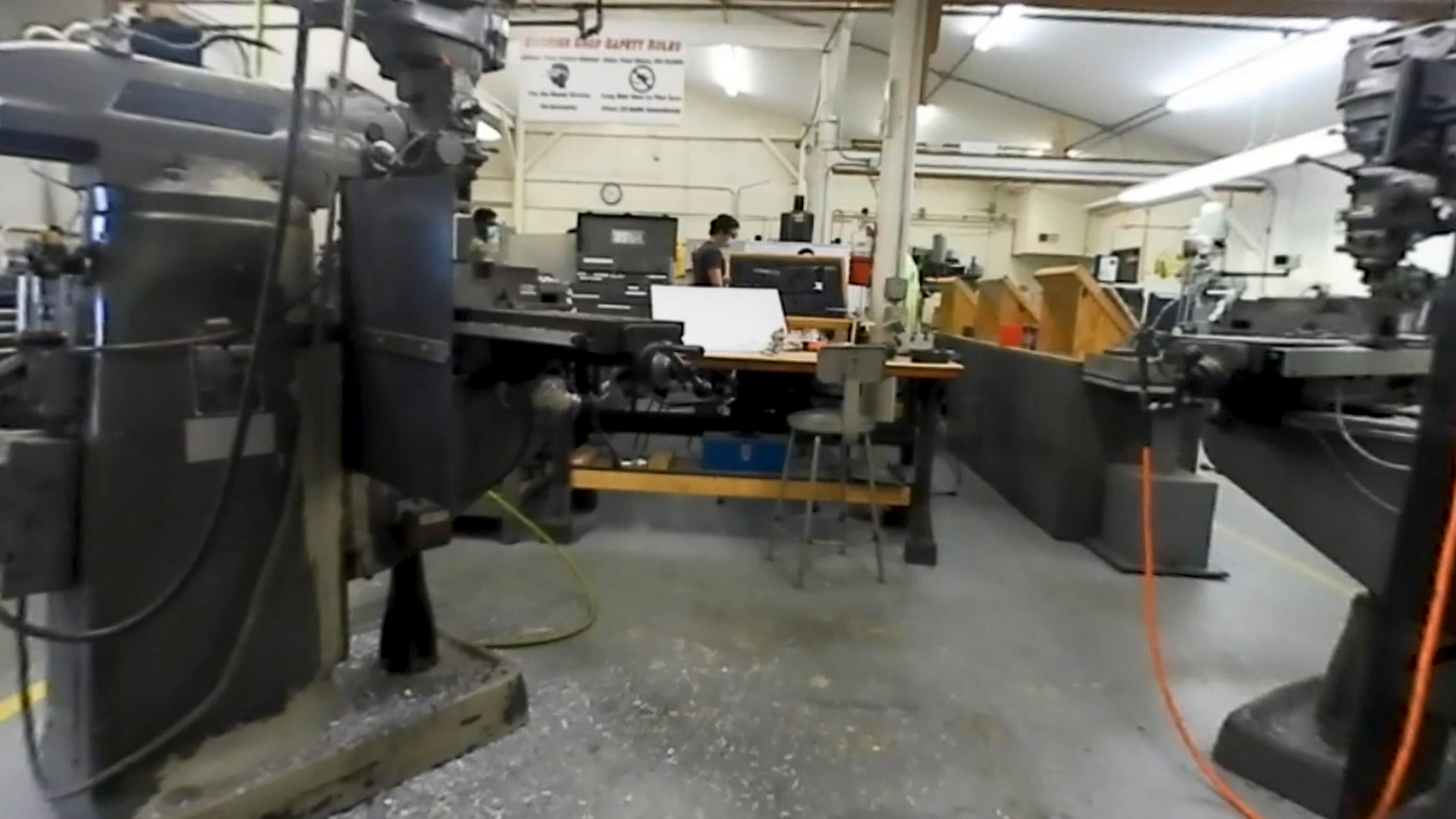
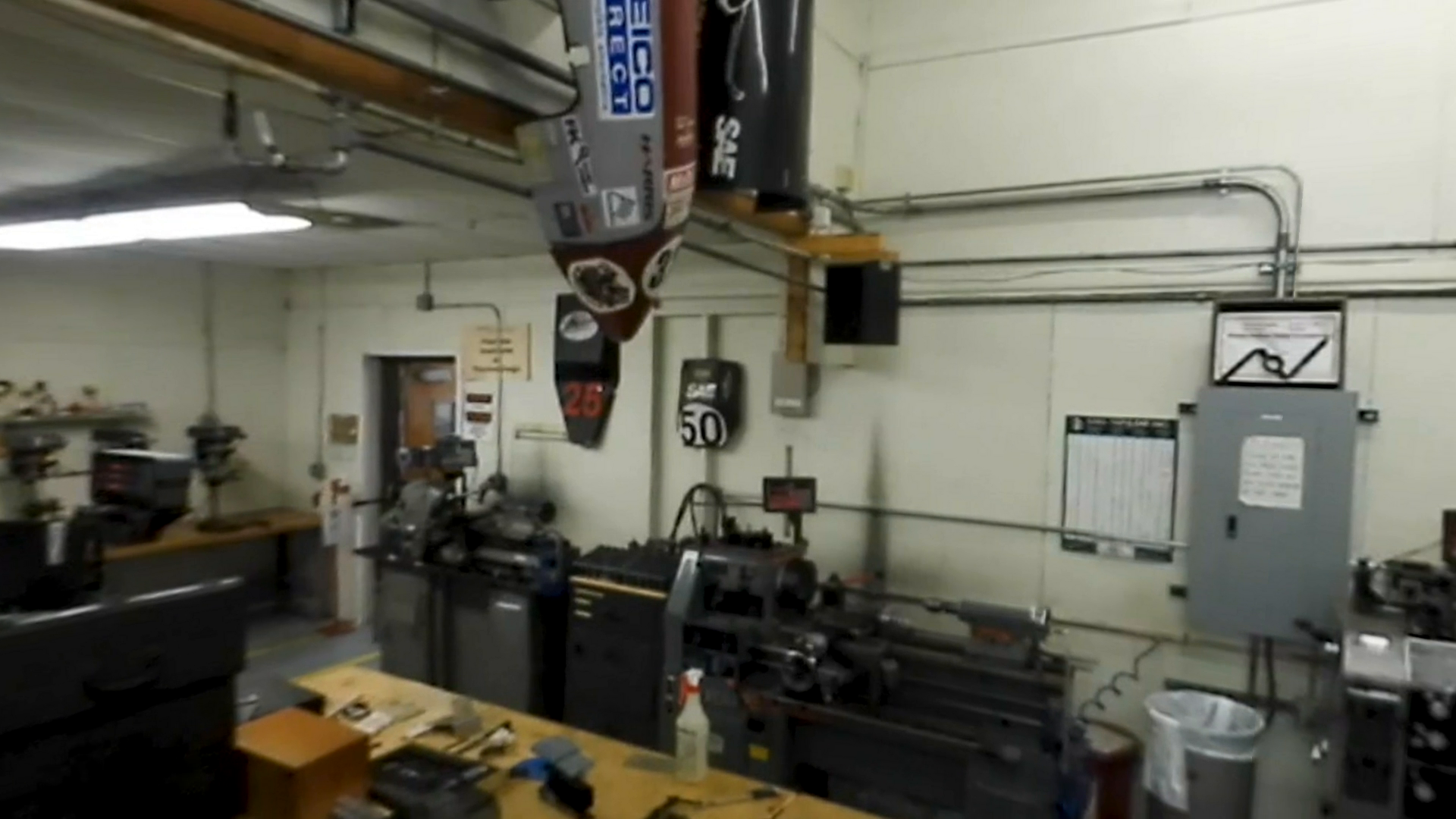
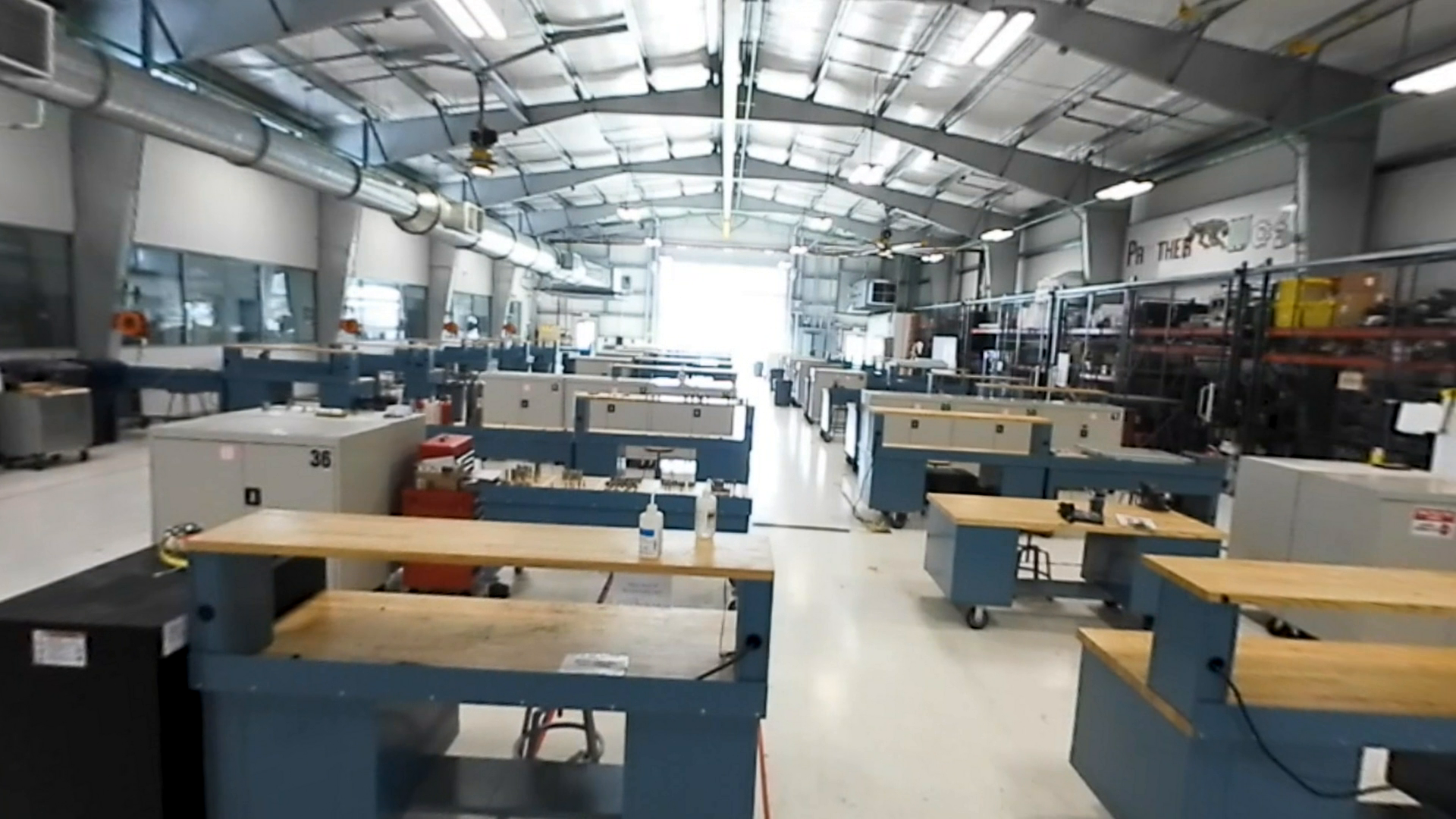
Florida Tech lists a Milltronics RH20 vertical mill, TRAK K3SX knee mill and TRAK 1630SX lathe. Our fabrication plan uses suitable milling and turning operations for prototype housings, mounts and test fixtures, with each operation reviewed against the part drawing.
We welcome precision machining, electronics and environmental test suppliers across Florida’s Space Coast, including Titusville. Introduce your capability ↗
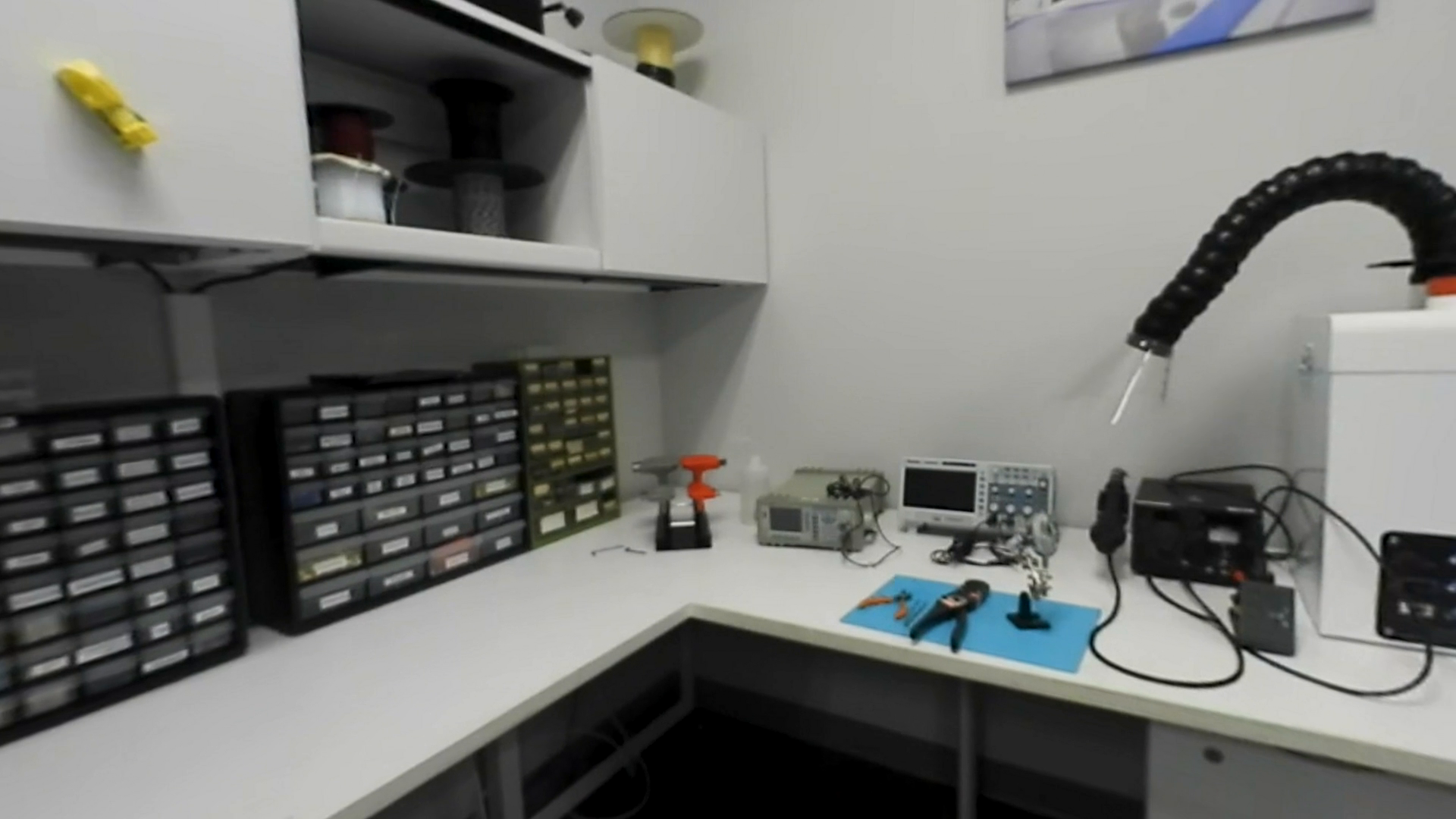
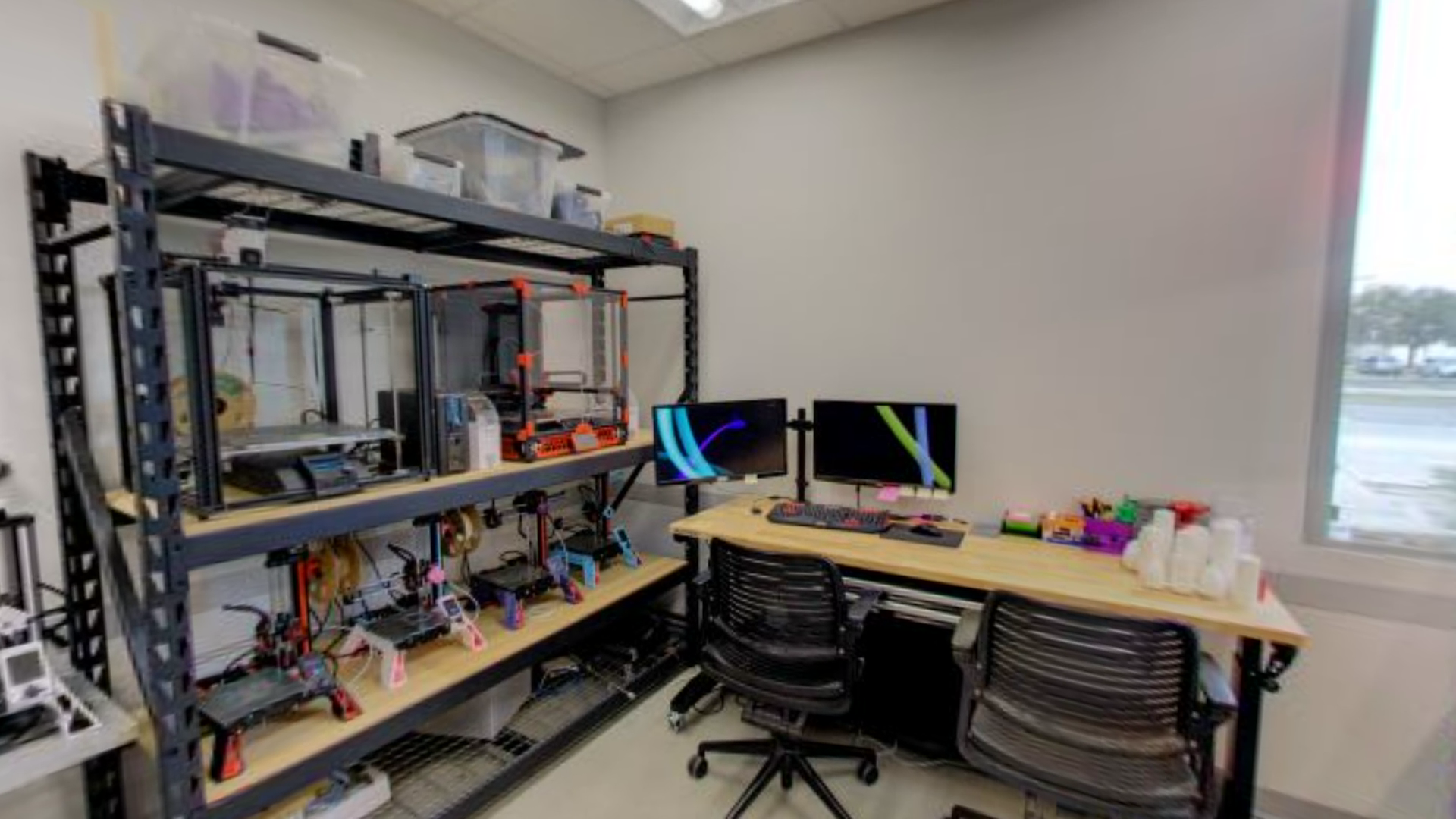
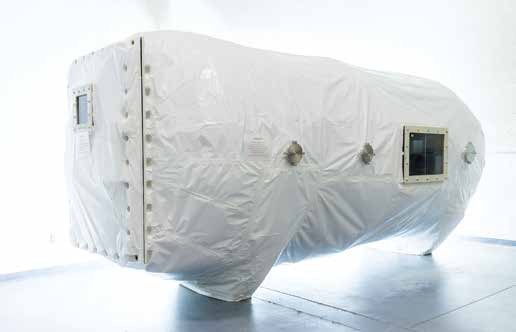
FLORIDA TECH / THE WORKSPACES
Where the parts come together.
These university facilities support the development path we are coordinating with Dr. Eric Swenson. Each photo is paired with its planned role in MoMerV.
Milling
Prototype housings, mounting faces and test fixtures. Critical dimensions will be checked against released drawings.
We’re planning projects with Florida Tech students in mechanical design, electronics, modeling and testing. Students will work on defined parts of the development program with academic supervision.
Develop a design, a circuit, a model or a test fixture with a clear set of requirements.
02
Work with the team
Discuss manufacturing choices and interfaces with the people responsible for the wider system.
03
Learn from the results
Review test data, document what changed and explain the engineering decisions behind your work.
THE PEOPLE BEHIND THE WORK
AN INDEPENDENT AMERICAN COMPANY
A team shaped by mission operations
NexAI is led by Ivan Lavlinski, whose background includes ground systems engineering for NOAA’s GOES program and flight operations work on TRMM. That experience informs how we design, review and test our systems.
LEADERSHIP
Ivan Lavlinski
Chief Executive Officer · Principal Investigator
Ivan is CEO of NexAI INC, an American company with eight employees. He leads technical direction, research and development planning. From 2017 to January 2025, he supported ground systems and flight operations for NOAA’s GOES R series. Earlier work included TRMM flight operations at NASA Goddard.
He holds a bachelor’s degree in Astronautical Engineering from Capitol College and master’s degrees in Space Systems (2015) and Commercial Space Enterprise (2017) from Florida Institute of Technology.
At NexAI, he coordinates the engineering projects and university collaboration.
Search NEXAI INC or file number 2542643 in the official state registry.
Top 20
Mars to TableRedLoop / competition submission
6th
Artemis Data ChallengeIvan Lavlinski / competition placement
What we’re working on
ROBOTIC SERVICING
Make the next connection possible.
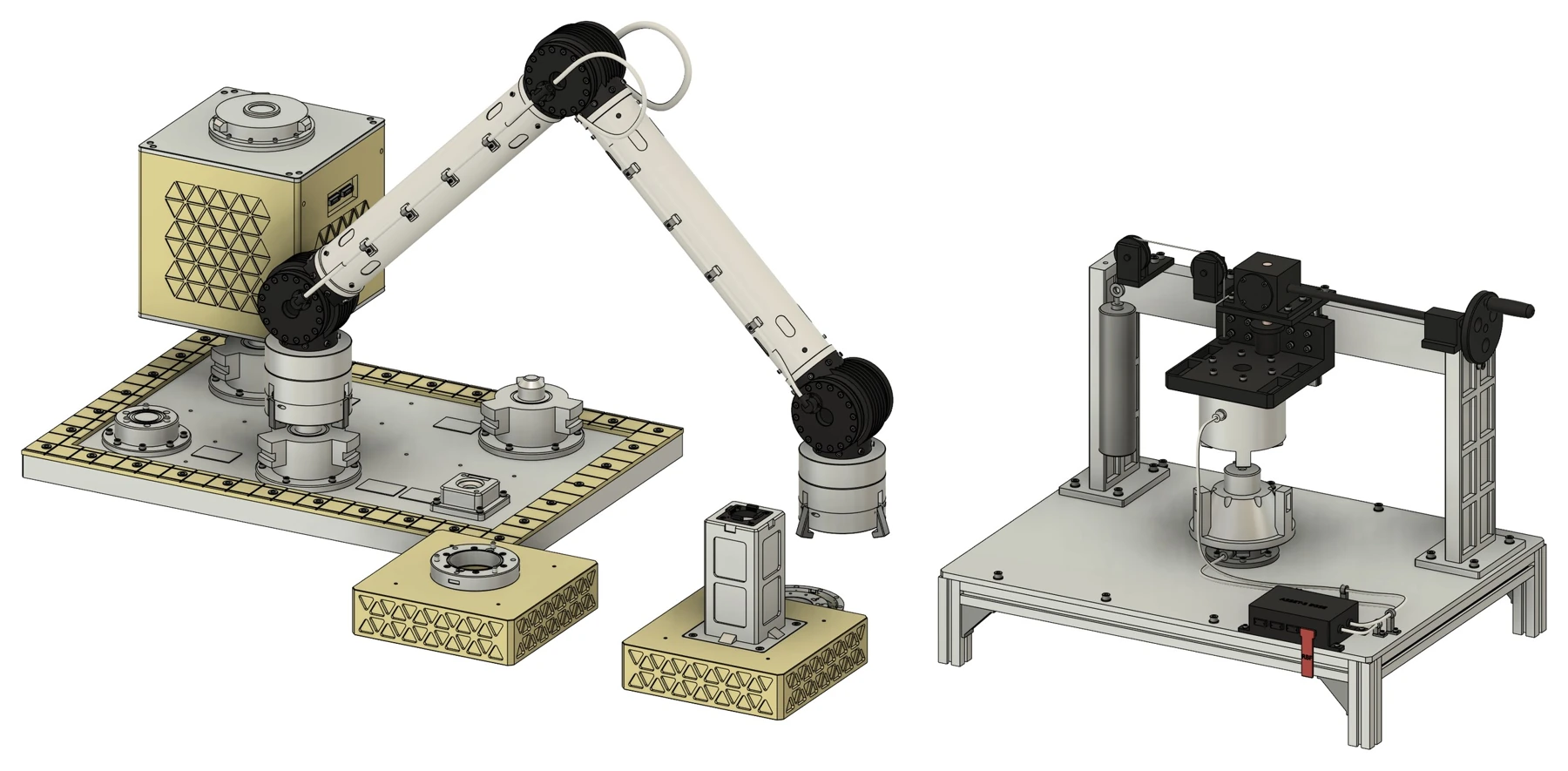
ORU-X studies how replaceable spacecraft hardware is captured, aligned and docked. Explore the unit, interface and servicing sequence in the project gallery.
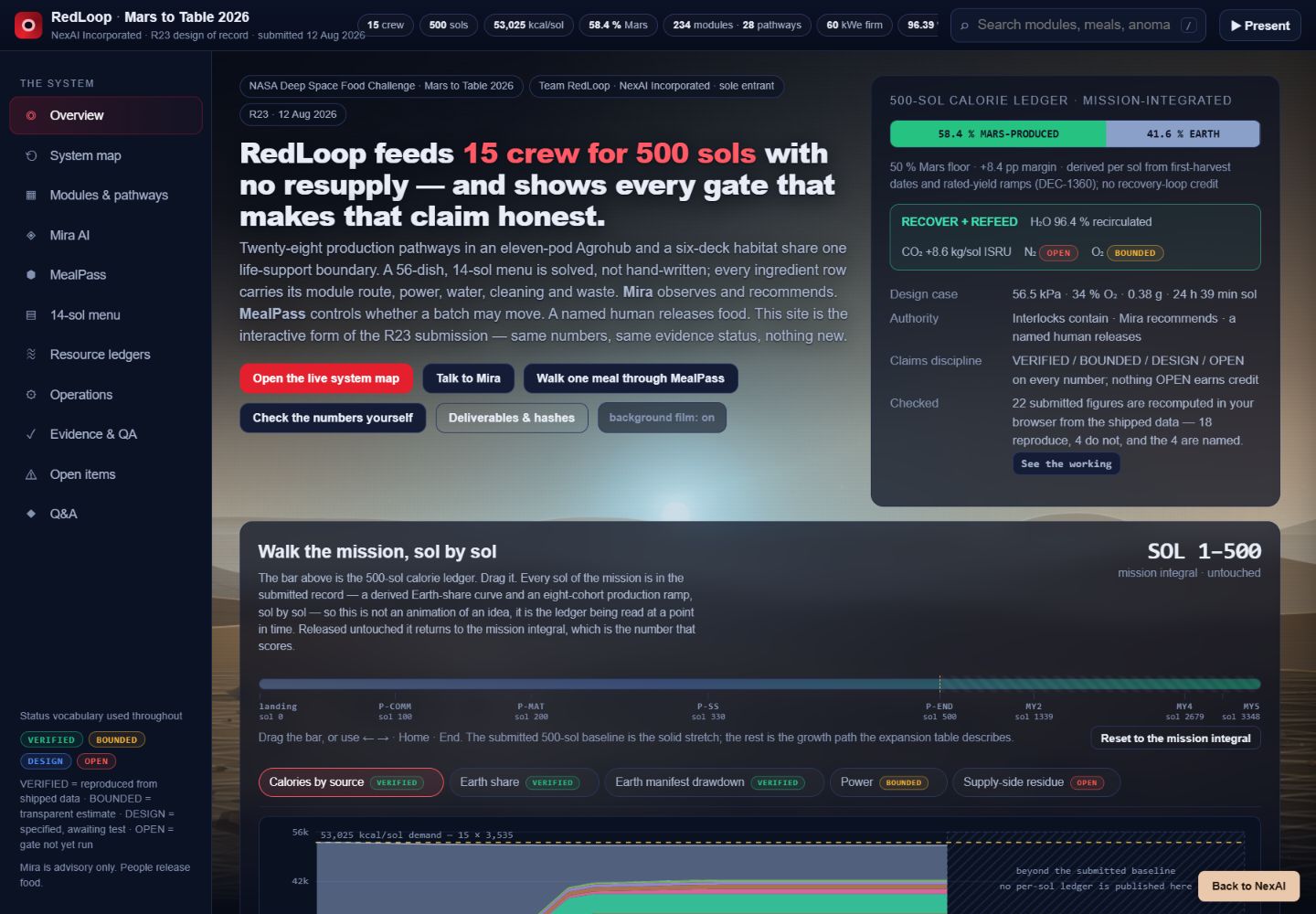
Open our interactive Mars food system: the base layout, production modules, crew menu and the resources that connect them.
Follow a meal from its ingredients to the table. Explore the habitat and Agrohub, inspect component records, and see how the design handles everyday operations and equipment failures.
Explore our work in space instruments, robotics, energy systems and software. Each project brings together the design, analysis and test planning needed to move it forward.
THE WIDER BODY OF WORK
Research and proposals
Further work in materials, data analysis and engineering research.
Browse the full research index
BUILD WITH US
BUILD SOMETHING THAT MATTERS
Work with us
We’re interested in engineers who like working across design, hardware and testing, and students ready to take on a defined project.
The roles below reflect the skills we need for upcoming development work. Tell us what you’ve worked on and where you would like to contribute. We’ll discuss the scope, timing and compensation with you as projects take shape.
A short introduction and your résumé are enough. Please keep confidential project information out of your application.
 NEX
NEX AMERICAN ENGINEERING